Peanut Oil
Peanut Oil
With so many cooking oils available on the market, it’s hard to know which ones are best for your health. Peanut oil is a popular oil that is commonly used in cooking, especially when frying foods. While peanut oil may have some health benefits, it also has some significant drawbacks. This article takes a detailed look at peanut oil to find out if it is a healthy or unhealthy choice. We also provide peanut seeds and oils both.
More Information
What Is Peanut Oil?
Share on Pinterest
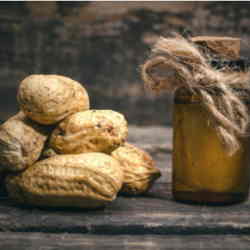
Peanut oil, also referred to as groundnut oil or arachis oil, is a vegetable-derived oil made from the edible seeds of the peanut plant.
Though the peanut plant flowers above ground, the seeds or peanuts actually develop underground. This is why peanuts are also known as groundnuts.
Peanuts are often grouped with tree nuts like walnuts and almonds, but they are actually a type of legume that belongs to the pea and bean family.
Depending on processing, peanut oil can have a wide range of flavors that vary from mild and sweet to strong and nutty.
There are several different types of peanut oil. Each one is made using different techniques:
- Refined peanut oil: This type is refined, bleached and deodorized, which removes the allergenic parts of the oil. It is typically safe for those with peanut allergies. It is commonly used by restaurants to fry foods like chicken and french fries.
- Cold-pressed peanut oil: In this method, peanuts are crushed to force out the oil. This low-heat process retains much of the natural peanut flavor and more nutrients than refining does.
- Gourmet peanut oil: Considered a specialty oil, this type is unrefined and usually roasted, giving the oil a deeper, more intense flavor than refined oil. It is used to give a strong, nutty flavor to dishes like stir-fries.
- Peanut oil blends: Peanut oil is often blended with a similar tasting but less expensive oil like soybean oil. This type is more affordable for consumers and is usually sold in bulk for frying foods.
Peanut oil is widely used around the world but is most common in Chinese, South Asian and Southeast Asian cooking. It became more popular in the United States during World War II when other oils were scarce due to food shortages.
It has a high smoke point of 437℉ (225℃) and is commonly used to fry foods.
SUMMARY
Peanut oil is a popular vegetable oil commonly used around the world. This oil has a high smoke point, making it a popular choice for frying foods.
Nutrient Composition
Here is the nutritional breakdown for one tablespoon of peanut oil (1):
-
- Calories: 119
- Fat: 14 grams
- Saturated fat: 2.3 grams
- Monounsaturated fat: 6.2 grams
- Polyunsaturated fat: 4.3 grams
- Vitamin E: 11% of the RDI
Phytosterols: 27.9 mg
The fatty acid breakdown of peanut oil is 20% saturated fat, 50% monounsaturated fat (MUFA) and 30% polyunsaturated fat (PUFA).
The main type of monounsaturated fat found in peanut oil is called oleic acid, or omega-9. It also contains high amounts of linoleic acid, a type of omega-6 fatty acid, and smaller amounts of palmitic acid, a saturated fat.
The high amount of omega-6 fats that peanut oil contains may not be a good thing. These fats tend to cause inflammation and have been linked to various health problems.
The considerable amount of monounsaturated fat found in this oil makes it a go-to for frying and other methods of high-heat cooking. However, it does contain a good amount of polyunsaturated fat, which is less stable at high temperatures.
On the other hand, peanut oil is a good source of vitamin E, an antioxidant that has many health benefits like protecting the body from free radical damage and reducing the risk of heart disease.
SUMMARY
Peanut oil is high in monounsaturated fat, making it a popular choice for high-heat cooking. It is a good source of vitamin E, which has many health benefits.
HEALTHLINE RESOURCES
Take our free 3-question diet quiz
Our free assessment ranks the best diets for you based on your answers to 3 quick questions.
Potential Benefits of Peanut Oil
Peanut oil is a great source of vitamin E.
It has also been linked to some health benefits, including reducing certain risk factors for heart disease and lowering blood sugar levels in people with diabetes.
Peanut Oil Is High in Vitamin E
Just one tablespoon of peanut oil contains 11% of the recommended daily intake of vitamin E (1).
Vitamin E is actually the name for a group of fat-soluble compounds that have many important functions in the body.
The main role of vitamin E is to function as an antioxidant, protecting the body from harmful substances called free radicals.
Free radicals can cause damage to cells if their numbers grow too high in the body. They have been linked to chronic diseases like cancer and heart disease.
What’s more, vitamin E helps to keep the immune system strong, which protects the body from bacteria and viruses. It is also essential for red blood cell formation, cell signaling and preventing blood clots.
This powerful antioxidant may reduce the risk of heart disease, certain cancers, cataracts and may even prevent age-related mental decline.
In fact, an analysis of eight studies that included 15,021 people found a 17% reduction in the risk of age-related cataract in those with the highest dietary intake of vitamin E compared to those with the lowest intake.
It May Reduce Heart Disease Risk
Peanut oil is high in both monounsaturated (MUFA) and polyunsaturated (PUFA) fats, both of which have been researched extensively for their roles in reducing heart disease.
There is good evidence that consuming unsaturated fats can lower certain risk factors associated with heart disease.
For example, high levels of LDL cholesterol and triglycerides in the blood have been linked to a greater risk of heart disease. Many studies have shown that replacing saturated fats with MUFAs or PUFAs may reduce both LDL cholesterol and triglyceride levels.
A large review by the American Heart Association suggests that reducing saturated fat intake and increasing your monounsaturated and polyunsaturated fat intake could lower the risk of heart disease by as much as 30%.
Another review of 15 controlled studies had similar findings, concluding that reducing saturated fats in the diet had no effect on heart disease risk, although replacing some saturated fat with polyunsaturated fat may reduce the risk of heart events.
Yet these benefits were only seen when replacing saturated fats with monounsaturated and polyunsaturated fats. It is unclear if adding more of these fats to your diet without changing other dietary components will have a positive effect on heart health.
Additionally, it is important to note that other major studies have shown little or no effect on heart disease risk when reducing saturated fat or replacing it with these other fats.
For example, a recent review of 76 studies including over 750,000 people found no link between saturated fat intake and the risk of heart disease, even for those with the highest intake.
While peanut oil has a good amount of polyunsaturated fats, there are many other nutritious options that are higher in this type of fat like walnuts, sunflower seeds and flaxseeds.
Peanut Oil May Improve Insulin Sensitivity
Studies have shown that monounsaturated and polyunsaturated fats may improve blood sugar control in people with diabetes.
Consuming any fat with carbohydrates helps slow the absorption of sugars in the digestive tract and leads to a slower rise in blood sugar. However, monounsaturated and polyunsaturated fats, in particular, may play a bigger role in blood sugar control.
In a review of 102 clinical studies that included 4,220 adults, researchers found that replacing just 5% of saturated fat intake with polyunsaturated fats led to a significant reduction in blood sugar levels and HbA1c, a marker of long-term blood sugar control.
Additionally, replacing saturated fat with polyunsaturated fat significantly improved insulin secretion in these subjects. Insulin helps cells absorb glucose and keeps your blood sugar from getting too high.
Animal studies also suggest that peanut oil improves blood sugar control.
In one study, diabetic rats fed peanut oil experienced significant reductions in both blood sugar levels and HbA1c. In another study, diabetic mice given diets fortified with peanut oil had significant reductions in blood sugar.
SUMMARY
Peanut oil may reduce heart disease risk factors. It may also help improve insulin sensitivity and lower blood sugar in people with diabetes. It is also a great source of vitamin E, a powerful antioxidant that protects the body from free radical damage.
Potential Health Risks
Although there are some evidence-based benefits to consuming peanut oil, there are also some potential drawbacks.
Peanut Oil Is High in Omega-6 Fats
Omega-6 fatty acids a