Sesame Oil
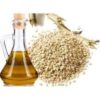
Sesame Oil
Sesame oil is derived from the seeds of the flowering sesame plant, also known as Sesame indium. These plants are native to East Africa and India, but they’re currently grown in many countries around the world. Due to its hearty, nutty flavor and its high levels of mono- and polyunsaturated fats, sesame oil has become one of the most popular oils for cooking. But does it have benefits beyond the kitchen? Is it a good oil to use on your skin? Read on to learn more about the properties of this oil, and what it can and can’t do for your skin. We also provide peanut oil seeds and oils both. We also provide sesame seeds and oils both.
More Information
What are the benefits of using sesame oil on your skin?
Sesame oil has the following properties, which help to make it a beneficial oil for your skin:
- Antioxidant. This means it has the ability to fight damage by free radicals, or unstable molecules that can harm the cellular structure of your skin.
- Antimicrobial. This means it can kill harmful microorganisms or stop their growth.
- Anti-inflammatory. This means it can reduce inflammation and swelling.
What nutrients does sesame oil have?
Sesame oil contains vitamin E, which can help protect skin cells from the damage caused by environmental factors, such as UV rays, pollution, and toxins.
Sesame oil also contains several phenolic compounds, which give it its antioxidant and anti-inflammatory properties. These compounds include:
- tocopherol
- pinoresinol
- sesamin
- sesamolin
- sesaminol
- sesamol
It also contains several essential fatty acids. These acids are effective moisturizers that can help keep your skin supple, soft, and hydrated.
- oleic acid
- palmitic acid
- stearic acid
- linoleic acid
How to use
Sesame oil isn’t an essential oil, so it doesn’t need to be diluted prior to use.
Try to find sesame oil that’s free of other ingredients and chemicals. Read the product label to find out if the oil is pure, or if it has anything else added to it.
You can use sesame oil liberally on your skin for massage and for moisturizing purposes.
If you use sesame oil for acne or acne scars, dab it onto the affected area with a cotton ball, and leave it on overnight. You may want to exfoliate your skin first to remove dead skin cells and debris. This may help the oil absorb more easily into your skin.
What are some other uses of sesame oil?
In addition to sesame oil’s potential benefits for skin, there are many other ways you can use this oil, including:
- Cooking. Sesame oil has a slightly nutty taste, making it excellent for stir-fried dishes and salad dressings. Research suggests it also has a host of health benefits. One found that sesame oil may help lower cholesterol and inflammation in the body. Another found that it may help reduce blood pressure. Finally, a indicated that it may also have chemo preventive qualities.
- Mouthwash. Sesame oil’s antibacterial qualities make it an effective mouth rinse. Using oil as a mouthwash is an Ayurvedic technique known as oil pulling.
- Constipation relief. Anecdotal evidence indicates that diluted sesame oil may help relieve minor constipation. To use, mix one to two tablespoons of sesame oil with water, and drink twice a day.
- Hair and scalp nourishment. The same nutrients and properties that make sesame oil beneficial for your skin also apply to your hair. Try massaging a small amount of sesame oil into your scalp and hair, concentrating on the ends if they’re dry. Leave the oil on your hair or scalp for at least an hour, then rinse.
The bottom line
With its antioxidant, anti-inflammatory, and antibacterial properties, sesame oil can help your skin in several ways. It may be especially beneficial for acne-prone skin and acne scars.
Due to its anti-inflammatory properties, sesame oil also offers a number of other health benefits, including lowering blood pressure and cholesterol.
If you want to use sesame oil on your skin, you may want to talk to your doctor or dermatologist to find out if it’s a good option for your skin type.
Almond oil has been used for centuries to soothe the skin and treat minor wounds and cuts. It has been used in ancient Chinese and Ayurvedic practices to treat skin conditions like eczema and psoriasis.
More than soothing dry skin, almond oil can improve complexion and skin tone. It’s highly emollient, which means it helps to balance the absorption of moisture and water loss. Because it is antibacterial and full of vitamin A, almond oil can be used to treat acne. Its concentration of vitamin E can also help to heal sun damage, reduce the signs of aging, and fade scars.